


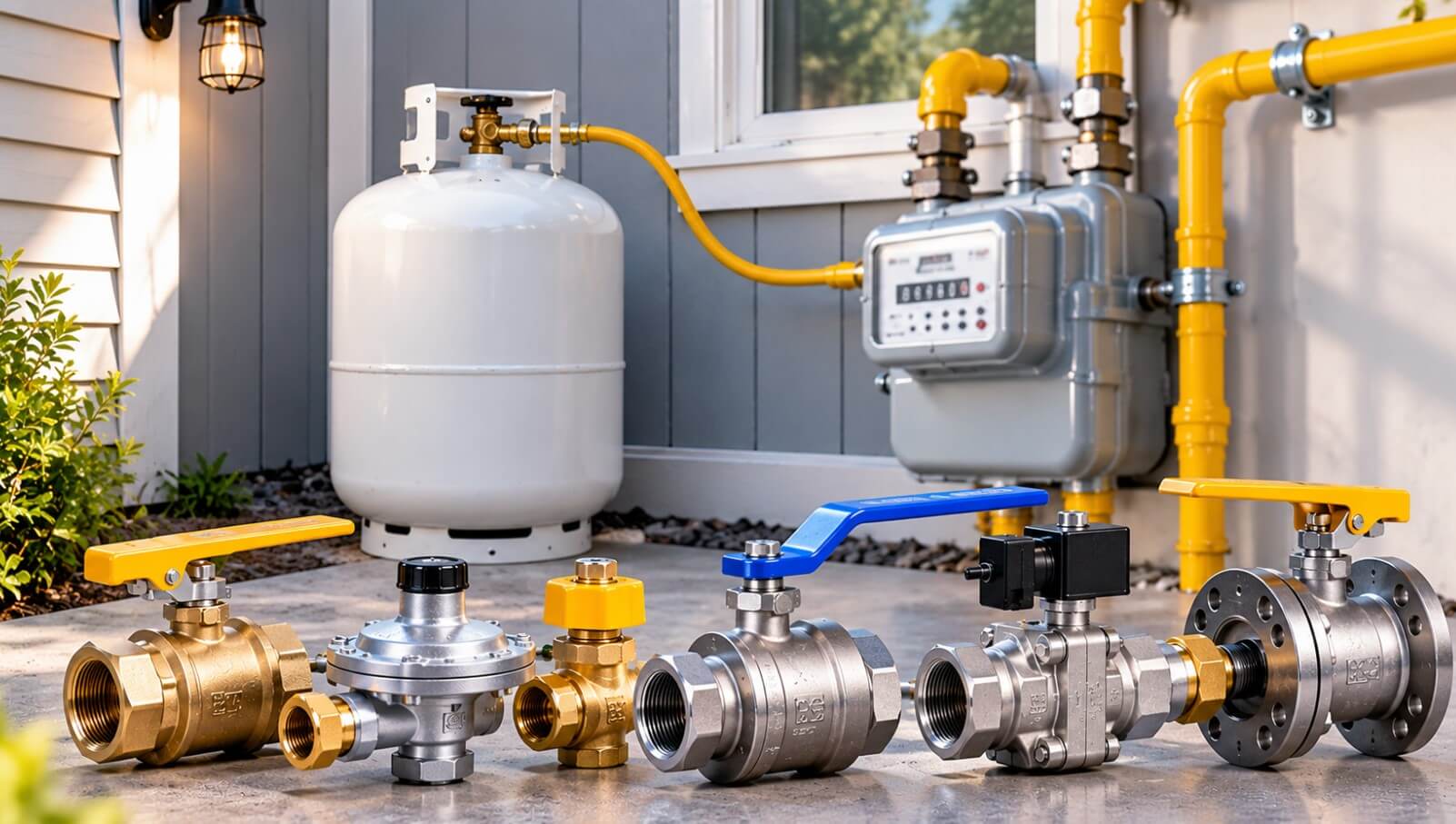
Gas valves are an essential part of propane and natural gas systems. They help control gas flow and allow equipment or sections of a system to be isolated when maintenance or service is required. They are used in residential, commercial, and industrial applications, making proper valve selection an important consideration for contractors, service professionals, and equipment users.
For businesses looking for gas components and spare parts in Florida, choosing components that match the application and equipment specifications is essential for reliable system operation.
What Are Gas Valves?
Gas valves are mechanical components designed to control or shut off the flow of propane or natural gas within a gas system.
Depending on the application, valves may be installed near appliances, equipment, supply lines, or other connection points. The appropriate valve depends on factors such as the fuel being used, connection requirements, operating pressure, and the equipment manufacturer’s specifications.
Gas valves can be found in applications involving:
- Propane appliances
- Natural gas appliances
- Water heaters
- Commercial cooking equipment
- Heating systems
- Outdoor gas equipment
- Generators
- Commercial and industrial equipment
Why Are Gas Valves Important?
A gas system consists of several interconnected components. Tanks or supply lines provide the gas, regulators help manage pressure, piping and fittings transport the gas, and valves help control or isolate the flow.
A properly selected valve can therefore play an important role in maintaining the intended operation of a gas system.
Valves can also allow qualified professionals to isolate equipment during maintenance or service, depending on the system design and applicable requirements.
When Should a Gas Valve Be Inspected or Replaced?
Gas valves can experience normal wear over time, particularly in equipment that is frequently used or exposed to demanding environmental conditions.
Some signs that may warrant professional inspection include:
- Difficulty opening or closing the valve
- Visible corrosion
- Physical damage
- A valve that does not appear to shut off properly
- Gas odor near a connection
- Changes in connected equipment performance
Gas-related problems should always be handled by appropriately qualified professionals. If you suspect a gas leak, leave the area immediately and contact your gas supplier or emergency services.
Factors to Consider When Selecting a Replacement Valve
Replacing a gas valve is not simply a matter of finding a component that looks similar to the existing one. The replacement should be appropriate for the specific system and application.
1. Fuel Type
Determine whether the system uses propane or natural gas. Components must be suitable for the intended fuel and application.
2. Connection Size and Type
The valve’s connection must correspond with the equipment and piping system. Verify the required connection size and type before ordering a replacement.
3. Operating Pressure
Gas systems operate under specific pressure conditions. The valve selected should be suitable for the pressure requirements of the application.
4. Application
A valve used for one piece of equipment may not necessarily be appropriate for another. Always verify the manufacturer’s specifications and application requirements.
5. Equipment Specifications
When replacing an existing valve, having the equipment manufacturer’s information, model number, or existing component specifications can help identify an appropriate replacement.
Gas valves should be listed for gas service, for example CSA/ANSI Z21.15 for appliance valves and ASME B16.33 for valves in piping. Installation is governed by the Florida Building Code (Fuel Gas), NFPA 54 and NFPA 58
Types of gas valves Technico supplies
- Combination gas values (White-Rodgers / Honeywell)
- Millivolt gas valves
- Safety shutoff valves
- Honeywell Resideo Controls
Why Keep Gas Spare Parts Available?
For contractors, maintenance professionals, and businesses, equipment downtime can affect schedules and operations. Having commonly required replacement components available can make maintenance and repair work more efficient.
Gas valves are only one part of a broader range of components that may be required for propane and natural gas systems.
Depending on the application, other components may include:
- Gas regulators
- Brass fittings
- CSST and fittings
- Gas hoses
- Flexible connectors
- Copper tubing
- Galvanized fittings
- Nipples
- Appliance components
Technico provides a range of propane and natural gas equipment, components, fittings, valves, regulators, tanks, and related products for residential and commercial applications.
Gas Components and Spare Parts in Florida
Florida’s residential, commercial, and industrial properties use propane and natural gas equipment for a wide range of applications. Contractors and service professionals may need valves and other replacement components for appliance installations, equipment maintenance, repairs, and new projects.
Working with a supplier that offers multiple categories of gas equipment and components can simplify sourcing, particularly when a project requires several related parts.
Technicoin business since 1985 and has supplied gas equipment from Lake Worth, Tamarac and Port St. Lucie branches.
Find Gas Valves and Replacement Components at Technico
Whether you are replacing an existing gas valve, maintaining propane equipment, or sourcing components for a new installation, selecting the appropriate parts is an important step in maintaining a properly functioning gas system.
If you are looking for gas components and spare parts in Florida, explore Technico’s range of valves and related gas equipment.
Explore Technico’s Gas Valves or Ask Technico Genie
For assistance identifying the appropriate component for your application, contact the Technico team on (800) 476-2318 or email to pb@gaswarehouse.com.
Frequently Asked Questions
A valve opens, closes or isolates gas flow. A regulator lowers the pressure and holds it at the level the appliance needs. Most systems need both.
Many manual shut-off valves are listed for both. Check the valve's listing and pressure rating. Appliance control valves are often specific to one fuel.
You need the fuel type, the connection size and type, the operating pressure, and the equipment make and model. You can also bring the old valve or a photo to any Technico branch.
Codes generally require it in the same room as the appliance, within easy reach. [We will confirm the exact distance rule before publishing.]
No. Technico supplies equipment and components. For fuel, contact your gas utility or propane provider.


