


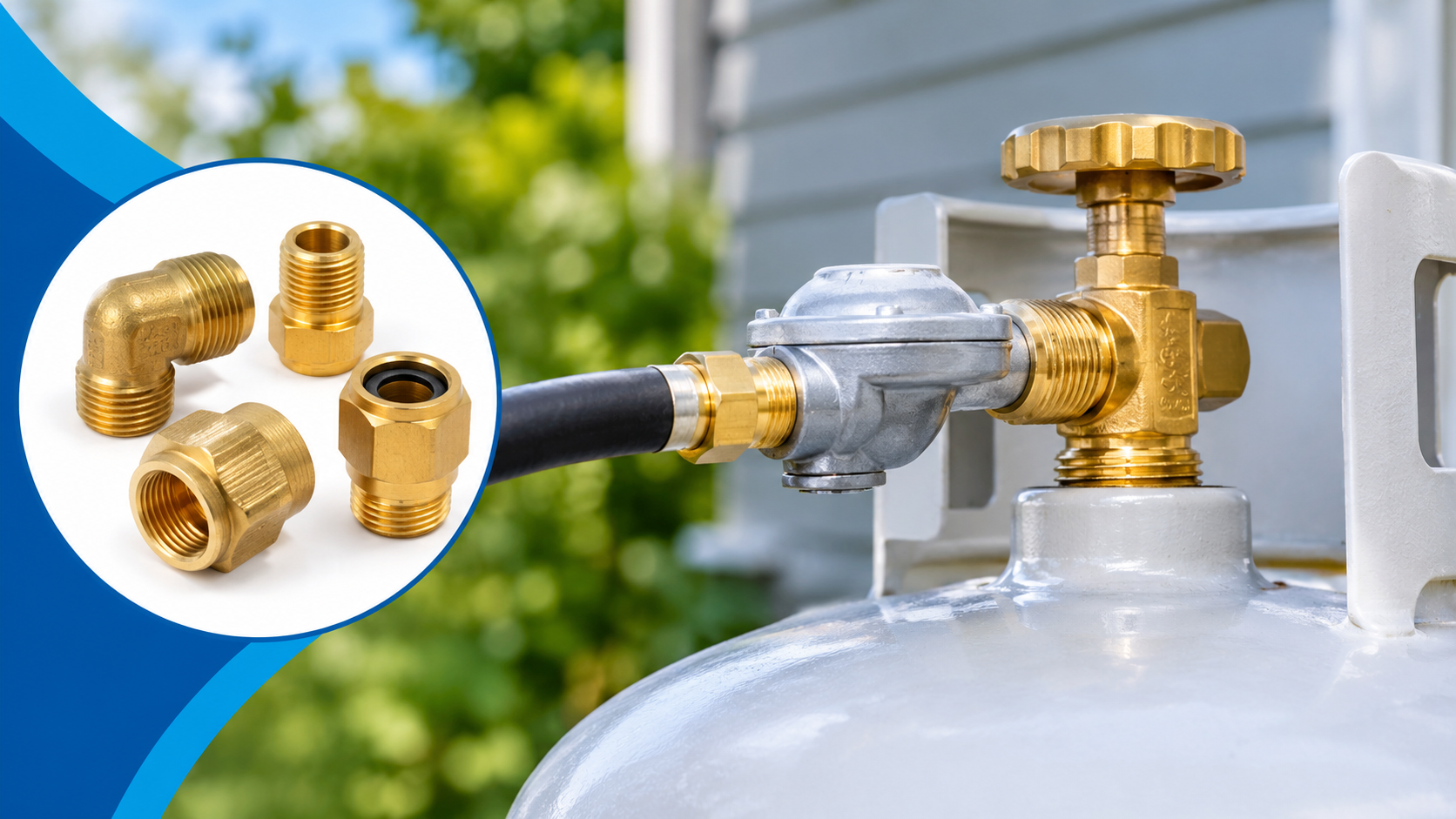
When it comes to propane systems, the tank itself often gets most of the attention. But the smaller components that connect, secure, and support the system are just as important. Tank fittings play an essential role in making sure different parts of a propane tank installation work together properly.
Whether you’re maintaining an existing propane system, replacing worn components, or sourcing supplies for a new installation, choosing the right tank fittings can make a real difference in the reliability and performance of your equipment.
For contractors, propane service professionals, and commercial operators, understanding these components is an important part of keeping projects on track and avoiding unnecessary downtime.
What Are Tank Fittings?
Tank fittings are components used to connect tanks to associated equipment, piping, valves, and other parts of a gas system. They help create appropriate connection points, support gas flow, and allow compatible components to work together.
Depending on the tank design and application, fittings may serve different purposes, including:
- Connecting gas lines and associated equipment to a tank.
- Providing connection points for valves and other accessories.
- Supporting the installation of pressure gauges and related components.
- Helping connect compatible regulators and supply lines.
- Allowing certain components to be replaced during maintenance or servicing.
The exact fittings required depend on the tank type, connection specifications, fuel, and intended application.
Why Choosing the Right Tank Fittings Matters
A propane system is made up of several components that need to work together. Even when the tank and primary equipment are in good condition, an incompatible or damaged fitting can create problems.
Here are a few reasons why selecting the correct fittings matters.
1. Proper Connections Between System Components
Tank fittings help connect different parts of a propane system. Using components that match the required connection type and specifications helps ensure compatibility throughout the installation.
Thread type, size, material, and pressure rating are all important considerations when selecting a fitting.
2. Reliable System Performance
The performance of a gas system depends on more than the main equipment. Connections and supporting components also need to be suitable for their intended application.
Choosing appropriate fittings helps reduce connection-related problems and supports dependable system operation.
3. Easier Maintenance and Replacement
Over time, certain tank components may require inspection or replacement due to wear, corrosion, or changing equipment requirements.
Having access to compatible replacement fittings makes it easier for service professionals to source the parts they need and keep maintenance work moving.
4. Compatibility with Existing Equipment
Not every fitting works with every tank or gas system. Differences in connection styles, dimensions, materials, and specifications can affect whether a component is suitable.
Checking compatibility before purchasing helps avoid unnecessary returns, installation delays, and additional expenses.
Common Factors to Consider When Buying Tank Fittings
If you’re sourcing tank fittings for a residential, commercial, or industrial application, there are several things worth checking before placing an order.
Connection Type and Size
Start by identifying the connection type and dimensions required for your application. Thread specifications and connection styles must match the tank and the equipment being connected.
Material and Construction
Tank fittings are available in different materials depending on their intended use. Consider the fuel, operating environment, corrosion exposure, and manufacturer’s specifications when evaluating material suitability. Fittings on a propane tank should be of a material and design suitable for LP-gas service.
Pressure and Application Requirements
Always verify that the fitting is rated for the intended service and operating conditions. A component suitable for one application may not be appropriate for another. Fittings that see full tank pressure (upstream of the first-stage regulator) must be rated for at least 250 psig, as OSHA 1910.110 and NFPA 58 require, because propane tank pressure rises with temperature.
Manufacturer Specifications
When replacing an existing component, check the original manufacturer’s documentation, model information, and compatibility requirements. This is particularly important when dealing with specialized tank connections.
Quality and Supplier Reliability
A dependable supplier can make sourcing easier, particularly when you need multiple components or replacement parts for ongoing projects. Look for a supplier that offers a broad product range and knowledgeable assistance.
When Should Tank Fittings Be Replaced?
Tank fittings should be inspected as part of routine equipment maintenance by qualified professionals.
Some conditions that may indicate the need for further inspection or replacement include:
- Visible corrosion or deterioration.
- Damaged threads or connection surfaces.
- Signs of leakage or suspected connection failure.
- Physical damage to the fitting.
- Components that no longer meet the equipment manufacturer’s specifications.
Never repair, modify, or reuse a damaged gas fitting; replace it. If you smell gas, leave the area right away, avoid anything that could create a spark, and call your propane supplier or 911 from a safe distance. Gas system inspection, repairs, and replacement should be handled by qualified personnel in accordance with applicable codes and manufacturer instructions.
Finding the Right Tank Fittings for Your Requirements
Whether you’re a propane contractor, equipment technician, service company, or commercial buyer, having access to dependable gas system components makes sourcing easier.
At Technico, we understand the importance of having the right equipment and replacement parts available when you need them. With over 40 years of experience supplying propane and natural gas products, we serve professionals looking for reliable gas equipment, fittings, accessories, and supplies.
Our product range supports a variety of residential and commercial requirements, helping customers source the components they need for their projects and ongoing operations.
If you’re looking for tank fittings or related gas system components, explore our product selection and find the right products for your application.
Explore Tank Fittings at Technico
Browse our selection of tank fittings and connect with our team if you need assistance identifying the right components. Technico, your Gas Warehouse for propane and natural gas products and supplies.


